A park a week keeps the mind at peace!
A gentle case for slowing down and stepping outside
In a recent blog, I explored why pain doesn’t always improve simply by getting stronger — and why recovery is often about helping the body feel safer, calmer, and less threatened.
That idea doesn’t just apply to exercise or rehabilitation.
It also applies to the environments we spend time in.
Pain and mental health are closely linked. Stress, low mood, poor sleep, and constant mental load can all amplify pain. And increasingly, research suggests that time spent in natural environments can support both mental wellbeing and how pain is experienced.
In a world that’s increasingly busy, fast-paced, and screen-based — for both adults and children — time in nature can offer something rare: space to slow down, switch off, and reset in ways that support both mental health and pain.
Sometimes, improving health isn’t about doing more — it’s about changing the conditions around us.
Why Nature Matters for Pain and Mental Health
Spending time in green or blue spaces is often framed as something “nice to have”.
By green or blue spaces, I simply mean natural environments like parks, trees, canals, rivers, lakes, or the sea — places where nature is present, even in small ways.
You don’t need to live next to a park, forest, or coastline to benefit. Even occasional exposure — such as a longer visit once or twice a month — can meaningfully support mental wellbeing, which plays an important role in how pain is experienced.
Evidence suggests nature exposure can:
reduce stress and anxiety
improve mood and emotional regulation
support better sleep
reduce physiological arousal
All of which matter when someone is living with pain.
When the nervous system is less overloaded, pain often feels less intense, less intrusive, and easier to live alongside.
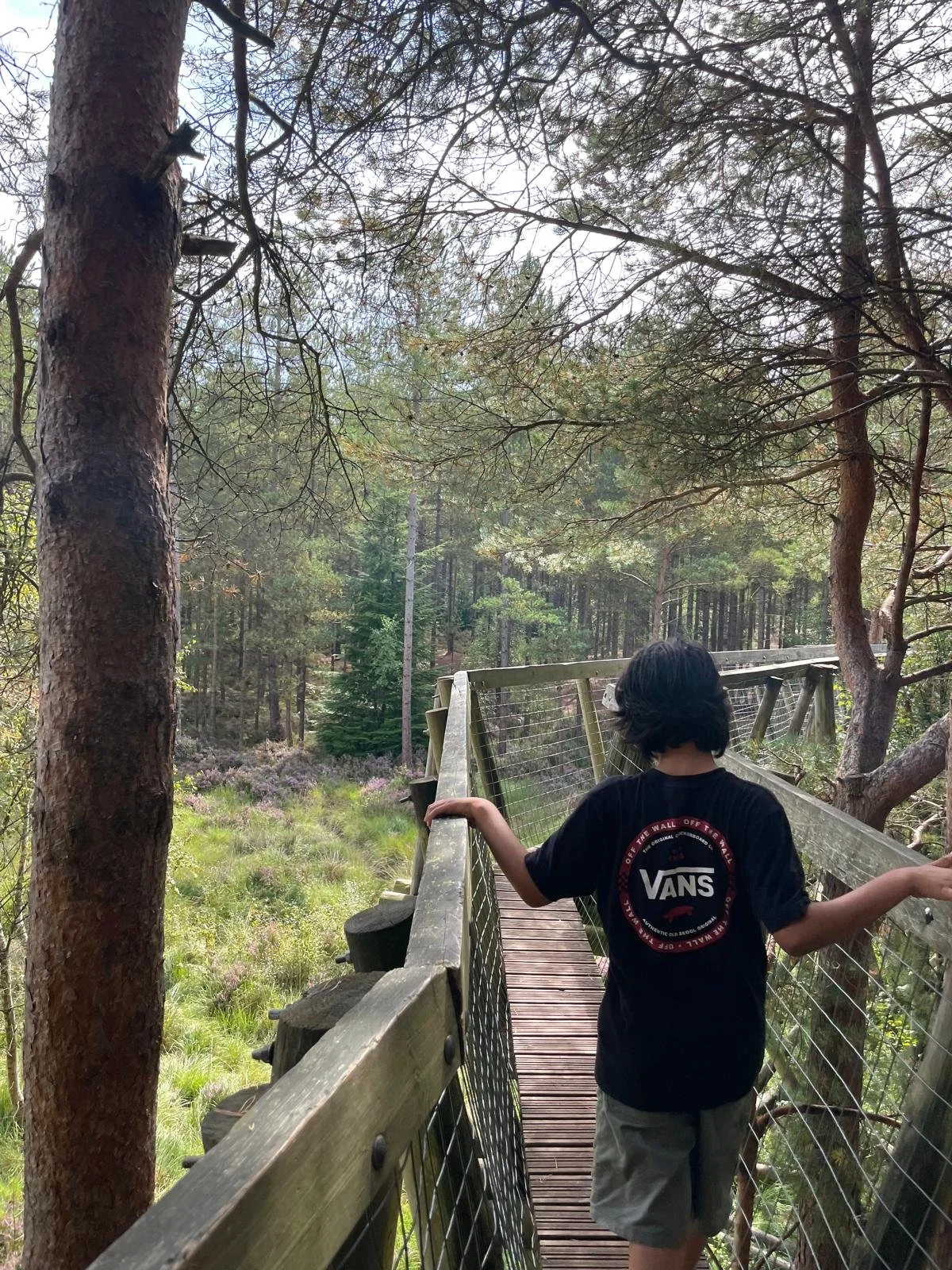
Green Spaces - Parks, Gardens, Forests
Pain Isn’t Just About Tissues
Pain is shaped by more than what’s happening in muscles, joints, or nerves.
It’s influenced by:
attention
emotion
stress levels
sense of safety
mental wellbeing
Nature appears to act across many of these at once.
Recent research has shown that exposure to natural environments — including parks, forests, water, and even nature sounds — is associated with reductions in self-reported pain, across both short-term and longer-lasting pain experiences.
These aren’t dramatic effects.
But they’re meaningful — especially because they’re low-risk, accessible, and require minimal effort..
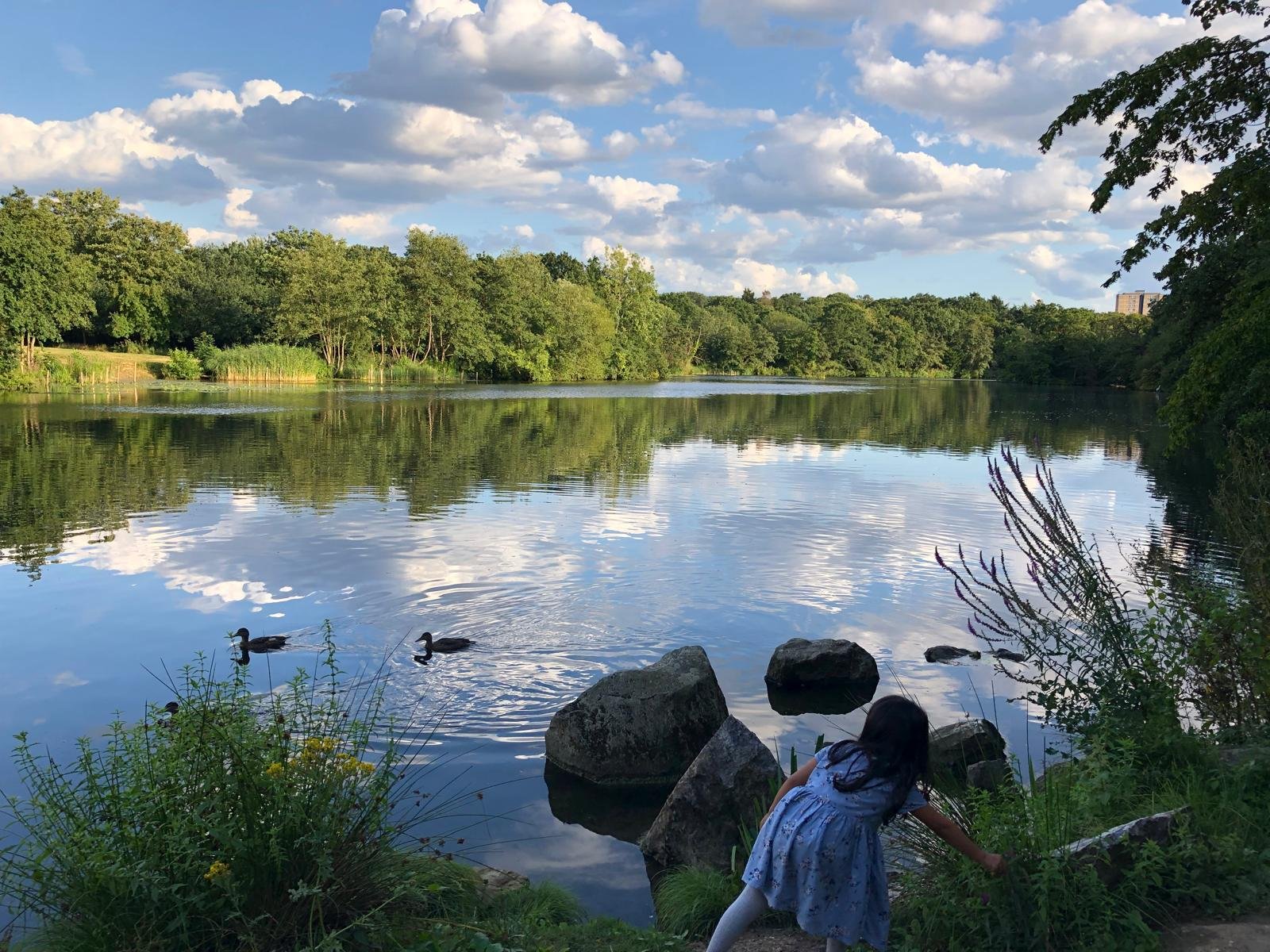
Blue Spaces - Rivers, Lakes, Canals or Coasts
How Nature May Help
Nature doesn’t “fix” pain.
Instead, it may help by:
calming a sensitised nervous system
reducing stress and mental load
gently shifting attention away from pain
improving mood and coping
making movement feel safer
In some studies, people reported less pain even when the painful stimulus itself hadn’t changed.
That matters.
It reinforces the idea that pain is an experience, not just a signal.
Nature Is Something You Connect With
One of the strongest predictors of improved mental health isn’t proximity to nature (where you live) — it’s nature connectedness.
People who feel more connected to the natural world tend to have:
Better wellbeing
Less mental distress
Lower use of depression medication
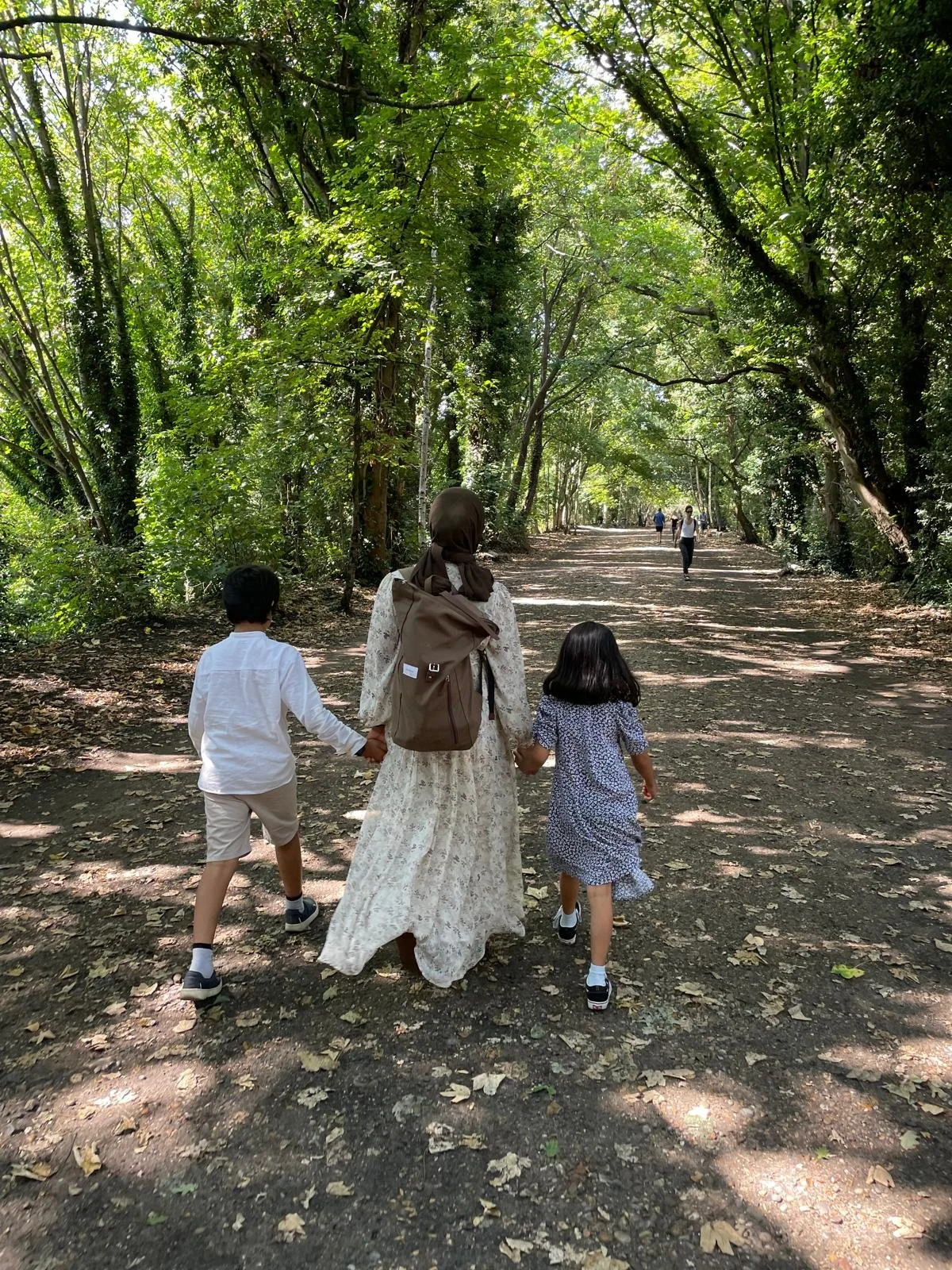
A short walk where you’re present can matter more than living next to green space you never use.
This Isn’t About Escaping or Avoiding Pain
This isn’t about pretending pain isn’t real.
And it’s not about saying, “Just go outside and you’ll be fine.”
Pain deserves to be taken seriously.
But nature can act as a supportive backdrop — one that helps people feel calmer, more grounded, and less overwhelmed.
For some, that’s enough to take the edge off.
For others, it’s one small part of a broader approach.
The N=1 Perspective
Nature won’t help everyone in the same way.
For some people, it reduces pain.
For others, it improves mood or reduces anxiety around pain.
For others, it simply makes life feel more manageable.
What matters is how you respond.
That’s N=1.
One Simple Action
This week:
Visit one nearby green or blue space
Walk slowly
Notice one thing you normally pass by without thought.
Seek improvements through:
Small, repeatable actions
Personal connection
Habits that fit your life
That’s enough.
Because health isn’t one-size-fits-all.
It’s Your N=1 Journey.